

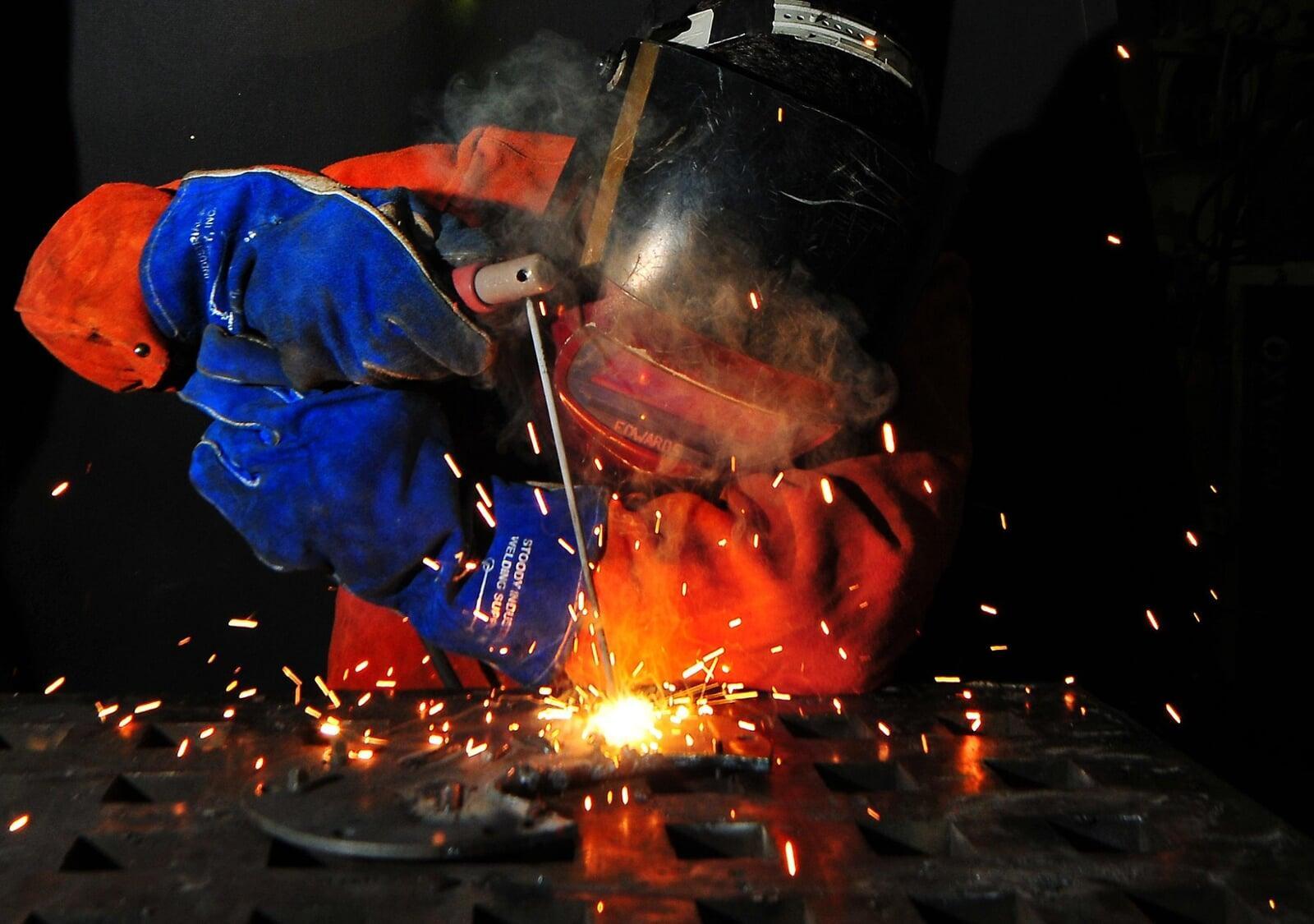
Maintenance, Repair & Hardfacing
In welding, joining is not only the main function, where as there is repair, layering and deposition of materials to already working components or equipment's. For all of these functions, Maintenance, Repair and Hard facing electrodes are used.
One of the main classifications of these type of electrodes are their ability to be machined and the hardness level of the weld metal. These factors determine the usage of these electrodes according to the function.
VAM Welding Series
VAM Weld: Shield-250 is a rutile coated maintenance electrode for rebuilding on equipment parts and tools. It is resistant to medium friction, compression, cavitation and highly resistant to shocks. It has a sound weld, crack free deposit and is machinable with standard tools.
VAM Weld: Shield-300 is a rutile coated maintenance electrode for rebuilding on equipment parts and tools. It is resistant to medium friction, compression, cavitation and highly resistant to shocks. It has a sound weld, crack free deposit and is machinable with standard tools.
It has a higher metal recovery and used as heavy build up and cushion layer on forging die cavities, mandrels, gear teeth, drawing dies etc.
VAM Weld: Shield-400 is a rutile coated electrode for surfacing of machine and construction parts as well as tools made of low alloyed and cast steels, which are mainly stressed by pressure and shock. It has a crack dree deposit and is machinable using carbide tools.
It is used in surfacing of rollers, hammers, guide rails etc.
VAM Weld: Shield-600R is a rutile coated electrode for surfacing of machine and construction parts as well as tools made of low alloyed and cast steels, which are mainly stressed by pressure and shock. It has got resistance to medium abrasion, shock and pressure.
It has a air hardening deposit and good compromise to resistance to abrasion and resistance to shock. It has a sound and a crack free weld and is only machinable by grinding.
VAM Weld: Armor-40 is a basic coated electrode. The weld deposit distinguishes itself by its toughness and heat resistance. Therefore, the electrode is used for overlay and buildup of machine parts and tools subject to impact, compression and wear. It can be used at operating temperatures up to 500 Degree Celsius.
It is used for building up dies, rollers and hot shear blades.
VAM Welding Series
VAM Welding Series
VAM Weld: Armor-48 is a basic coated electrode. The weld deposit distinguishes itself by its toughness and heat resistance. Therefore, the electrode is used for overlay and buildup of machine parts and tools subject to impact, compression and wear. It can be used at operating temperatures up to 550 Degree Celsius.
It is used for building up hammers, dies, hot shear blades, rollers etc.
VAM Weld: Armor-56 is a basic coated electrode. The weld deposit distinguishes itself by its high hardness, toughness and heat resistance. Therefore, the electrode is used for overlay and buildup of machine parts and tools subject to impact, compression and wear. It can be used at operating temperatures up to 550 Degree Celsius.
It is used for building up hammers, dies, hot shear blades, rollers, extrusion pistons etc.
VAM Weld: Armor-Mn is a rutile basic heavy coated electrode. It is designed to rebuild all parts subject to high impacts and to build up parts before applying abrasion resistant final layer using Armor-ABR or HB 62 and higher electrodes. The work hardened austenitic deposit is exceptionally resistant to impact and wear factors combined with impact.
It is used for repairing of used parts and prevention protection of new parts for quarries, mines, railway applications etc.
VAM Weld: Armor-ABR is a rutile coated with high recovery. It is for application subject to abrasive wear by minerals, combined with medium shocks and compression. The deposit is resistant to corrosion and has a self releasing slag. The weld metal is machinable by grinding.
Cutting and Gouging electrode is used for beveling, grooving and cutting all industrial metals including stainless steel, cast iron and copper alloys. It has a smooth and uniform cut.
Choose your Electrode Better : FYI
HRC (Rockwell) and BHN (Brinell Hardness) are not two different types of welding electrodes rather it is a different sale used to measure the hardness of the weld deposit on hard facing welding electrode.
The Choice of the rod rated HRC vs BHN depends on the required hardness of the application and type of wear (Abrasion vs Impact)
- HRC (Rockwell C): It s typically used for very hard, brittle material like tool steel, extreme abrasive wear etc.
- BHN (Brinell): Used for softer to medium hard materials like in structural steels, impact resistant steels, work hardening metals and so on.
- Conversion: Generally, 1 HRC is approximately 10 BHN ( Please note this is up to certain ranges only and is for an approximate idea. Please use a conversion table for accurate results)
- Application: High Abrasion, Low Impact. Suitable for parts requiring high edge retention, such as cutting tools, shear blades or agricultural equipment. They are generally more brittle.
- Hardness Range: Common ranges typically are from 50-65+ HRC
- Typical Hardness: 55-60 HRC is common for severe wear application.
- Application: High Impact (Crushing/shock), Moderate abrasion. Suitable for crushing equipment (Hammer/Jaws), Mining Equipment or buffer layers before a final hard layer. These are often used in austenitic manganese steels (work hardening) and are generally more ductile and tough.
- Hardness Range: Often Quoted for materials that work-harden (Increase in hardness under impact).
- Typical Hardness: 200-500+ BHN (e.g.: 200-250 BHN as welded, will be work hardened to 500+ BHN under impact.
- If the part scrapes against soil/sand (Abrasion): Choose an HRC-Rated welding electrode. Typically 55-60 HRC
- If the hart hits rocks/metals (Impact): Choose a BHN Rated welding electrode that will harden under impact.
- Which electrode should i use for Buffer Layers?: Often lower BHN electrodes are used to build up material before applying a final high HRC wear layer.
- Approximate Conversions (For Reference only) : Conversion based on material type.
- 250 BHN is approximately equal to 25 HRC
- 350 BHN is approximately equal to 38 HRC
- 500 BHN is approximately equal to 52 HRC
- 600 BHN is approximately equal to 57 HRC
- Application: Ideal for removing old/defective welds, cutting and beveling edges for welding and removing foundry risers.
- Technique: Electrode is held at a shallow angle, typically 15-20 Degrees to the surface for gouging, pushing molten metal away with air or arc force.

